

Tips For Bonding With A New Horse
There’s something truly magical about forming a bond with a horse. These majestic creatures aren’t just animals to ride. They’re partners, friends, and sources of endless wonder.
Whether you’re a first-time horse owner or meeting a new equine buddy at a stable, building a strong connection takes patience, understanding, and a sprinkle of know-how.
Horses experience the world through their senses, sight, hearing, touch, smell, and taste. Learning how to engage these senses can turn you into their trusted companion.
In this guide, we’ll share practical, fun, and insightful tips to help you bond with your new horse, creating a friendship that’s as rewarding as a sunset ride.
From safe approaches to tasty treats, let’s explore how to win your horse’s heart and make every moment together unforgettable!
Why Bonding with Your Horse Matters
Horses are intelligent, sensitive animals with unique personalities, and forming a bond with them goes beyond simply riding. A strong relationship builds trust, making your horse feel safe and willing to work with you, whether you’re trotting through trails or grooming in the barn.
Bonding improves communication, reduces stress for both horse and human, and enhances safety during handling or riding. Plus, it’s just plain fun to have a four-legged friend who perks up when they see you!
By understanding how horses perceive the world, you can create a connection that’s built on mutual respect and joy. Let’s dive into how to use their senses, sight, hearing, touch, smell, and taste, to forge that special bond.
The Power of Sight: Approach with Care
Horses have keen eyesight, but their vision works differently from ours. With eyes on the sides of their heads, they have a wide field of view but limited depth perception directly in front or behind them.
This means approaching a horse the wrong way can startle them, potentially leading to a kick or skittish behavior.
To make a great first impression, always approach from the side, ideally at a 45-degree angle, where they can see you clearly without feeling threatened.
If you sneak up from behind, you risk a defensive reaction—trust me, a horse’s kick is no joke!
Similarly, walking straight toward their face can make them feel cornered, causing them to balk or even nip. Instead, move calmly and give them space to observe you.
Professional equestrian David Garcia suggests wearing safety gear from day one, like a well-fitted riding helmet and gloves, to protect yourself in case your new friend is feeling unpredictable.
Various brands like offer helmets that combine safety with comfort. By respecting their visual perspective, you’ll show your horse you’re a friend, not a foe, setting the stage for trust.
Tip: Make eye contact gently to show confidence, but avoid staring intensely, which can feel aggressive. Practice your approach in an open area to get comfortable with their reactions.
The Power of Hearing: Speak Softly and Confidently
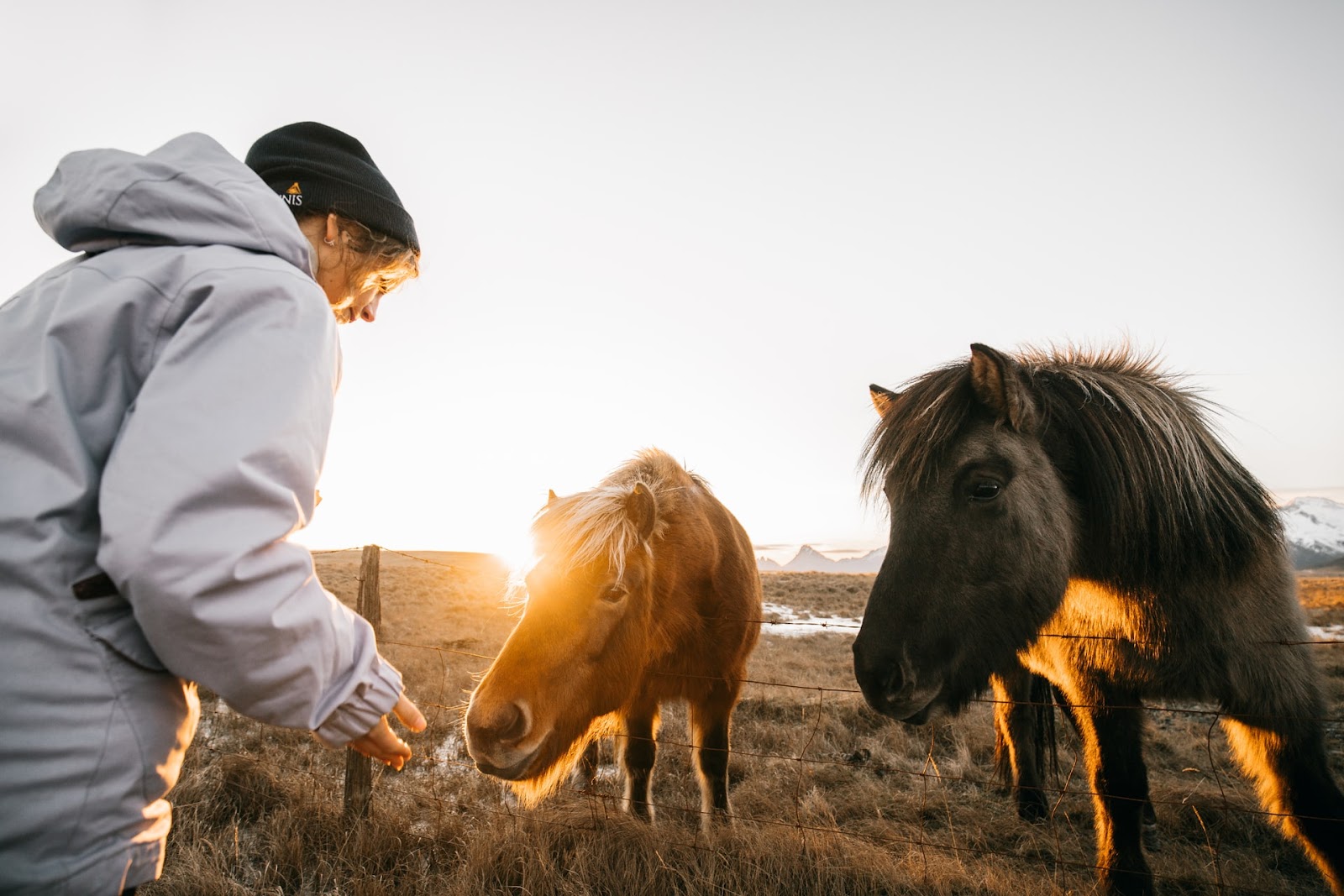
Horses have incredible hearing, with ears that swivel to catch every sound. They’re also highly attuned to your emotions, picking up on your tone and mood without you saying a word.
A calm, confident voice can soothe a horse, while shouting or angry tones can make them anxious.
When correcting unwanted behavior, like nudging too hard for treats, a firm but gentle “No” works better than yelling.
Harsh words or sudden noises can break trust, so keep your voice steady and positive.
Singing or humming softly while grooming or walking near your horse can also build familiarity, they’ll associate your voice with safety.
Avoid sudden hand movements, like waving, which horses might interpret as a playful challenge or threat, similar to how they’d react to another horse’s gestures.
For example, kids waving at a foal might spark a playful gallop, but with an adult horse, it could cause confusion. If you’re taking photos for that perfect horse selfie, move slowly and speak softly to keep them relaxed.
Tip: Practice a consistent greeting, like saying “Hello, friend!” in a soothing tone each time you approach. Over time, your horse will recognize your voice and feel at ease.
The Power of Touch: Gentle Strokes Speak Volumes
Touch is a powerful way to communicate with your horse, mimicking how they interact with each other. In the wild, horses show affection by nibbling or scratching each other’s withers (the area at the base of their neck).
You can replicate this by gently stroking or scratching their neck or shoulder, signaling praise or encouragement. A light scratch with slight pressure feels good to a horse—too light, and it might tickle, causing them to fidget.
Be cautious, though: horses may return the affection with a gentle nip, not out of malice but because their thicker skin makes them less sensitive to touch than humans.
If your horse tries to nibble, redirect their attention with a calm word or a step back.
Start with short, gentle touch sessions to build trust, especially with a new horse who might be wary. Avoid sensitive areas like their face or belly until you know their comfort level.
Over time, your horse will associate your touch with safety and care, strengthening your bond.
Tip: Try grooming as a bonding activity—use a soft curry comb to massage their coat, focusing on their favorite spots like the withers or hindquarters.
Watch their body language for signs of relaxation, like a lowered head.
The Power of Smell: Win Their Heart with Scents
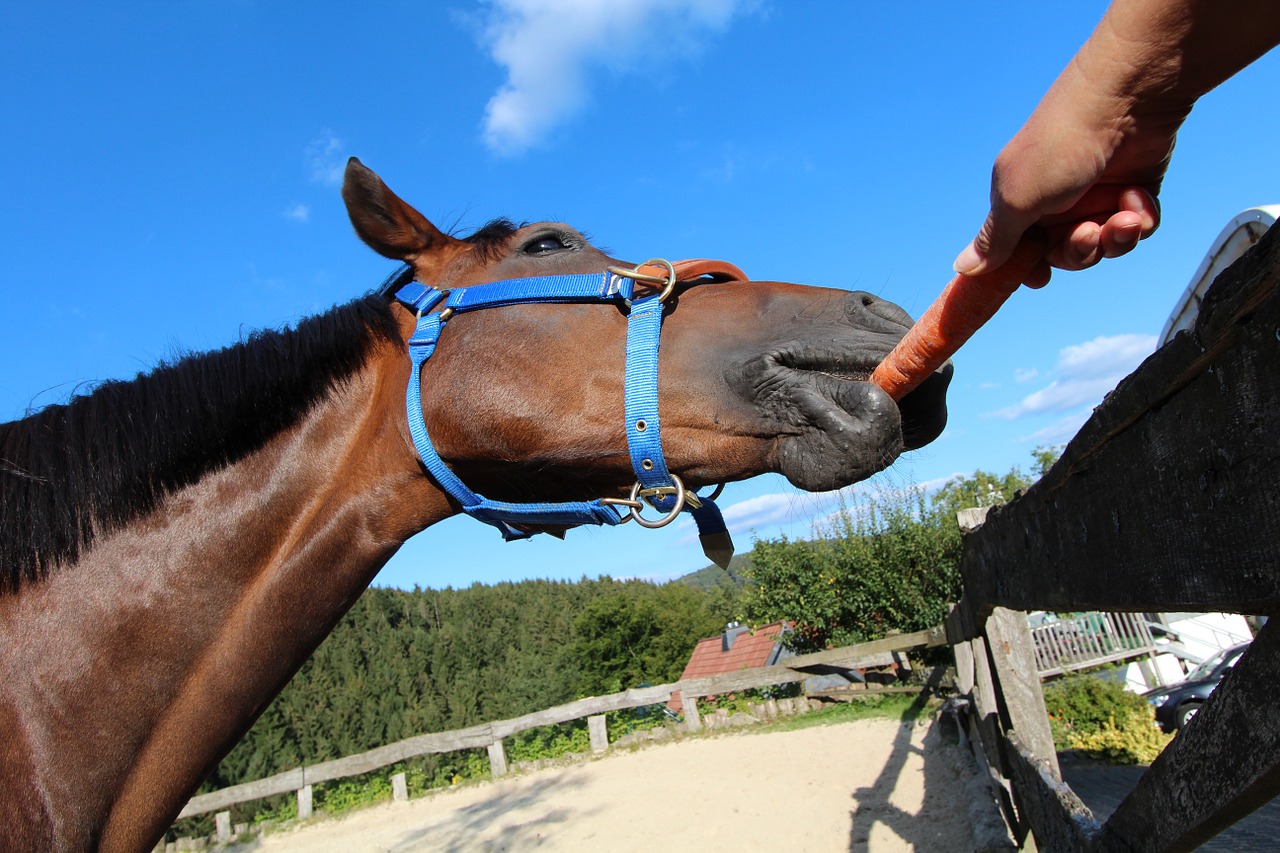
Horses have an amazing sense of smell, which they use to explore their world and recognize friends. They’re especially drawn to the scent of food, and offering treats is a fantastic way to build trust.
Horses love goodies like carrots, apples, and sugar cubes, but they’re smart enough to learn where you keep them. Don’t be surprised if your horse starts nudging your pockets for a snack!
When offering treats, hold them in an open palm to prevent accidental nips, and give them sparingly to avoid spoiling your horse or encouraging pushy behavior.
The smell of familiar items, like a worn-in jacket or your grooming tools, can also comfort them over time.
Avoid strong perfumes or chemicals around horses, as these can overwhelm their sensitive noses. By associating your scent with positive experiences, you’ll become a welcome presence in their world.
Tip: Keep a small bag of treats in a consistent spot, like a fanny pack, so your horse knows where to expect goodies.
Rotate treats to keep things exciting, but always check for dietary restrictions with your vet.
The Power of Taste: Treats Done Right
Horses are foodies at heart, and offering the right treats can make you their new best friend. Safe, horse-approved snacks include:
Carrots: Peel, wash, and cut into bite-sized pieces for easy chewing. Always use fresh carrots to avoid upset stomachs.
Apples: Offer whole apples (held firmly) or cut into quarters, removing seeds to prevent choking or toxicity, per [The Spruce Pets](https://www.thesprucepets.com/).
Bread: Small amounts of dried bread are a fun treat, but don’t overdo it, as too much can cause digestive issues.
Sugar Cubes: A classic favorite, but use sparingly due to high sugar content.
Watermelon: Seedless wedges are a refreshing treat, especially in warm weather.
Always feed treats in moderation and check with your horse’s owner or vet if they have dietary needs.
Hand-feeding builds trust, but be consistent with rules to prevent begging. For example, only offer treats after a calm interaction to reinforce good behavior.
Tip: Create a “treat ritual” after grooming or riding, like offering a carrot slice, to make it a special bonding moment. Always wash treats to remove dirt or pesticides.
Additional Bonding Tips
Spend Quality Time: Hang out in the pasture or stall without riding, letting your horse get used to your presence. Reading a book nearby or simply observing can build familiarity.
Learn Their Personality: Every horse is unique—some love attention, others are shy. Watch for cues like ear position or tail swishing to understand their mood
Use Positive Reinforcement: Reward good behavior with praise, scratches, or treats to encourage trust.
Stay Consistent: Visit regularly and use the same routines to help your horse feel secure. Consistency builds confidence in your relationship.
Join a Community: Connect with other horse owners through local stables or online forums.
Safety First
Bonding is about trust, but safety comes first. Always wear sturdy boots and a helmet when working around horses, especially new ones.
Avoid sudden movements or loud noises, and never stand directly behind a horse. If you’re unsure about their behavior, consult a trainer or experienced equestrian.
Taking a beginner’s riding lesson through [United States Equestrian Federation](https://www.usef.org/) can also teach you how to handle horses safely while building your bond.
Conclusion: Gallop Toward a Lasting Friendship
Bonding with a new horse is a journey filled with joy, patience, and mutual understanding.
By engaging their senses, approaching thoughtfully with sight, speaking calmly with hearing, touching gently, and offering tasty treats, you can build a friendship that feels like magic.
These tips, from safe approaches to smart treat-giving, help you connect with your horse in a way that’s fun and rewarding for both of you.
Whether you’re grooming, riding, or just hanging out in the pasture, every moment strengthens your bond and creates memories to cherish.
So, grab your helmet, pack some carrots, and start building a lifelong friendship with your equine pal.


